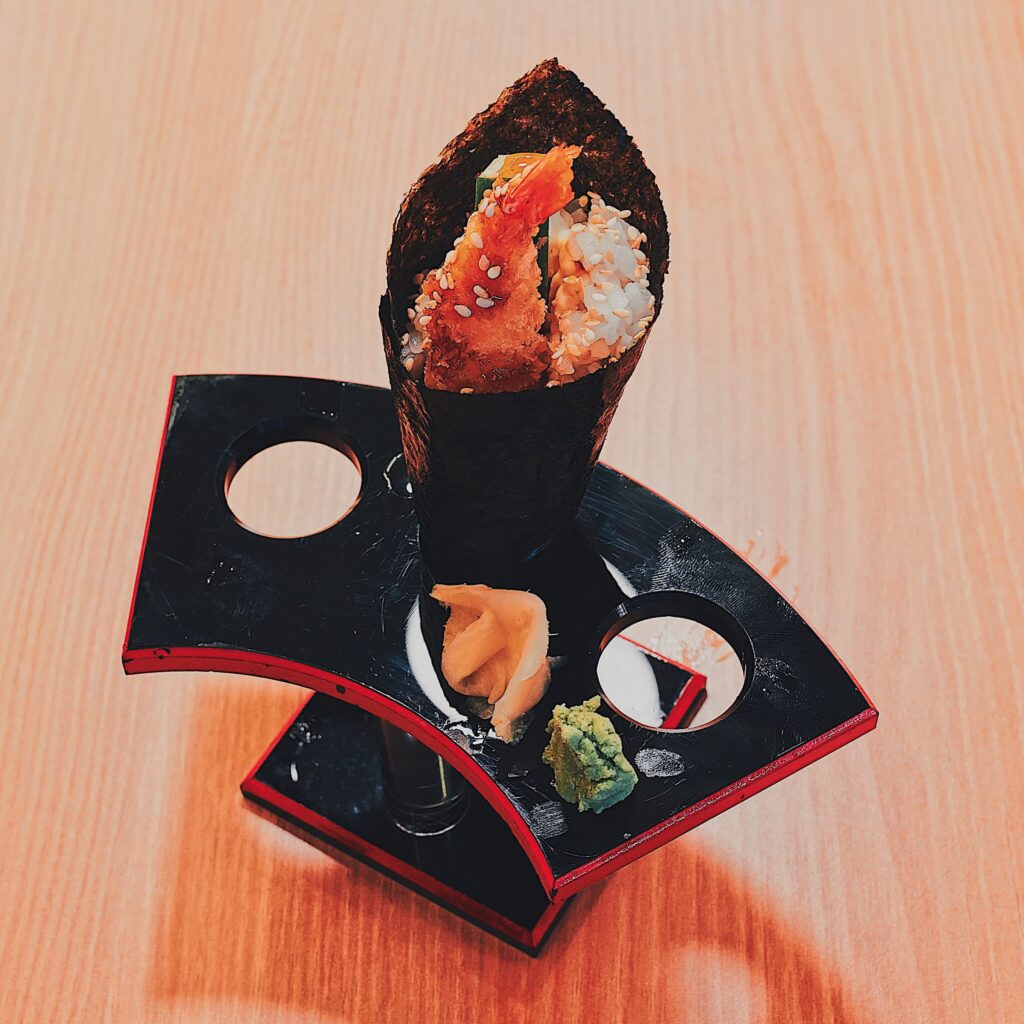
What is Nigiri? A Dive into the Specialty Sushi Style

While most people picture sushi as a rolled-up treat, that’s only one style. Sushi comes in many forms–and nigiri is one of the most beloved.

In this guide, you’ll learn what nigiri is, how it’s made, and what types to look for on your next sushi night out.


What Is Nigiri?

Nigiri is a simple yet delicious type of sushi. It’s made with a small, hand-shaped mound of vinegared rice, topped with a slice of fish or another tasty ingredient. Unlike sushi rolls, nigiri isn’t wrapped in seaweed or filled with extra toppings. Everything sits neatly on top—clean, elegant, and packed with flavor.

Meaning

The word nigiri comes from the Japanese word nigiru, which means “to grasp” or “to squeeze.” This refers to how the sushi is made—chefs gently press the rice by hand to shape it. No rolling, no cutting—just careful, practiced movements to create something beautifully simple.

How It Differs from Other Sushi

Nigiri is different from other popular types of sushi like maki and sashimi:

Maki is rolled sushi, wrapped in seaweed and often filled with vegetables, sauces, and sometimes fried ingredients.

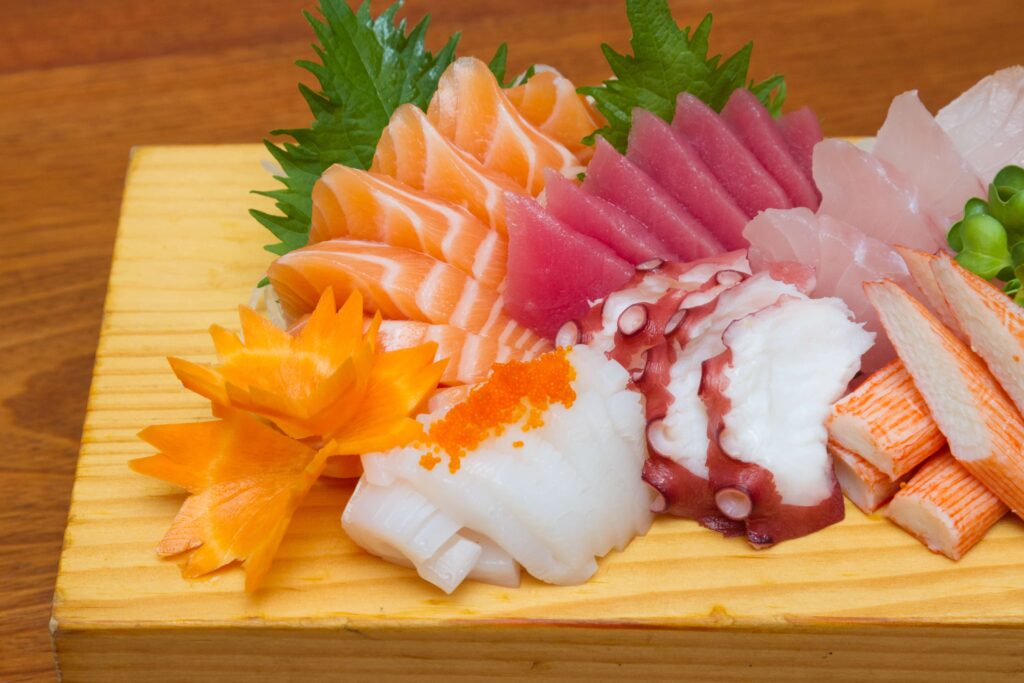
Sashimi is just slices of raw fish served without rice.

Nigiri sits right in the middle: hand-formed rice on the bottom, a single topping on top, and no extras. It’s minimal but flavorful, letting the freshness of the ingredients shine.
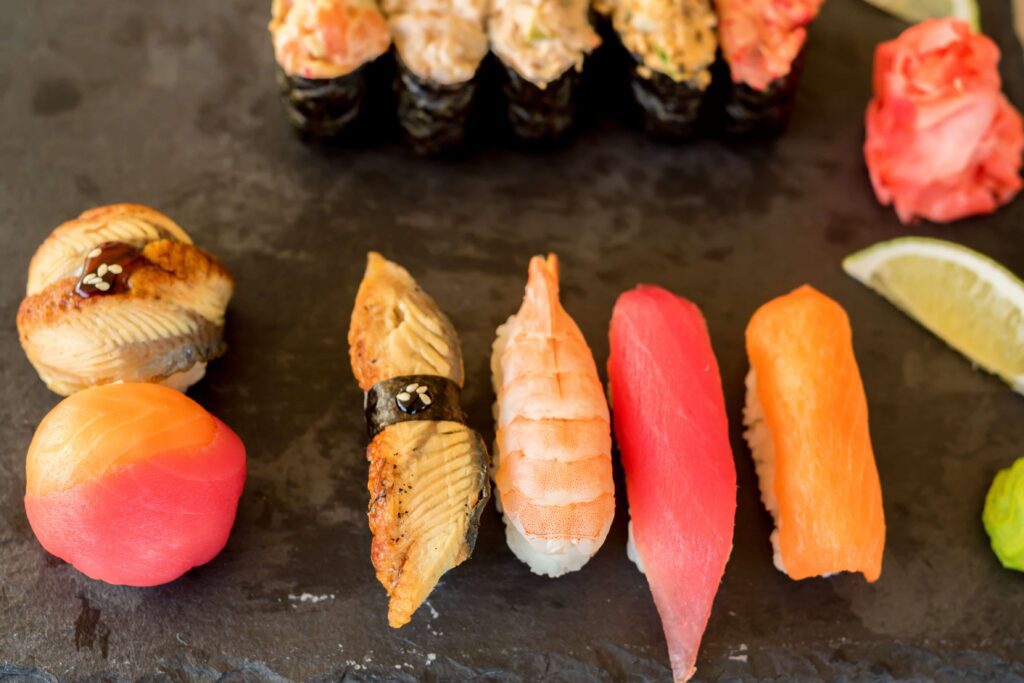
 

fresh made nigiri


The Art of Making Nigiri

Nigiri might look simple, but making it takes real skill. Sushi chefs train for years to perfect every detail—from slicing fish to shaping the rice just right. The rice needs to hold together gently–sticky enough to maintain its shape but still light and airy, and the topping needs to be evenly cut to rest neatly on top.

Every piece is a small work of art, and it’s usually made fresh to order.

Selecting Ingredients

The secret to amazing nigiri? Top-quality ingredients.

Rice

Sushi rice is seasoned with vinegar, sugar, and salt. It needs to be warm, fluffy, and just sticky enough to hold its shape.

Fish and Toppings

Nigiri is often made with raw fish like tuna or salmon, but cooked items like shrimp, eel, and even sweet egg are common. The key is freshness—ingredients should be clean, flavorful, and, when raw, of sushi-grade quality.

Shaping the Rice

Each ball of rice is formed by hand into a small, oval shape—usually about two fingers wide. Chefs press just enough to hold it together, but not so much that it becomes dense or gummy. Finding that perfect balance takes time and practice, which is why well-made nigiri feels so light and delicate.

Pairings

Nigiri is usually served with a few simple sides:

Soy sauce: Just a light dip is all you need.

Wasabi: Traditional nigiri often includes a small dab between the fish and rice, added by the chef. If not, you can add a tiny dab yourself.

Pickled ginger: Eaten between bites to refresh your palate.

For drinks, try green tea, sake, or a light Japanese beer to keep the flavors balanced and refreshing.
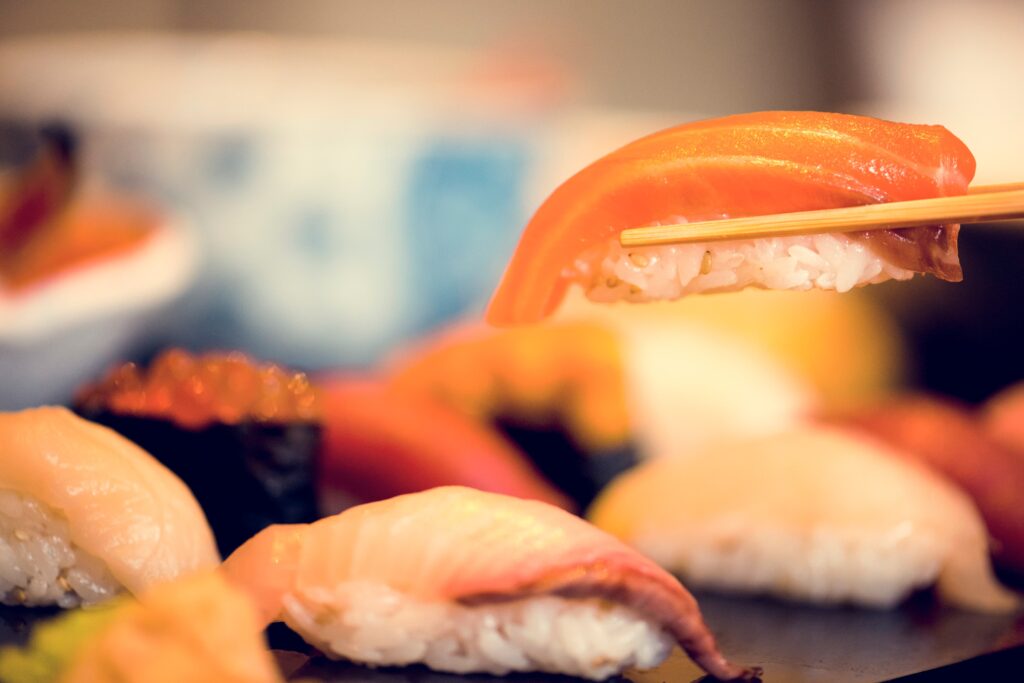
 

Nigiri being picked up by chopsticks


Popular Types of Nigiri

There are many toppings that can go on nigiri. Here are some of the most popular choices you’ll find at sushi restaurants:

Maguro (Tuna)

Tuna nigiri is a fan favorite. The fish is deep red, smooth, and has a mild flavor that pairs beautifully with rice.

Sake (Salmon)

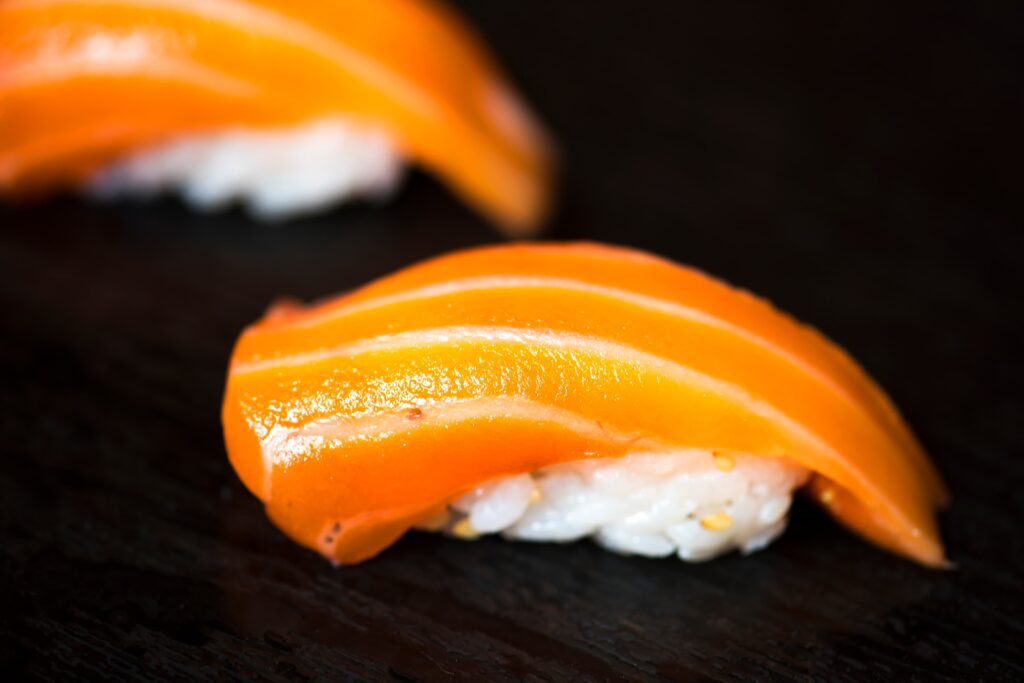
With its rich orange color and buttery texture, salmon nigiri is slightly sweet and melts in your mouth.

Unagi (Eel)

Unagi is grilled eel, brushed with a sweet, savory sauce. Since it’s cooked, it’s a great option if you’re not quite ready for raw fish.

Tamago (Sweet Egg)

Tamago is a sweet, layered Japanese omelet, often served with a strip of seaweed to hold it in place. It’s a tasty, kid-friendly choice too!


Dining Out For Nigiri

What to Expect

When you order nigiri at a restaurant like Kobe Japanese Steakhouse, each piece is made fresh. It often comes in pairs and may be lightly brushed with soy sauce or topped with wasabi. Don’t be surprised if your plate looks like a piece of art—presentation is an essential part of the experience.

You can order nigiri à la carte or choose a combo to try a variety of types.

Etiquette and Best Practices

Eating nigiri isn’t complicated, but here are a few tips to make your meal even better:

One bite (if you can): Nigiri is made to be small enough to eat all at once.

Dip lightly: If you use soy sauce, dip the fish side—too much soy can overpower the delicate flavors.

Hands or chopsticks: Either is fine, so go with what’s comfortable.

Ginger between bites: Pickled ginger helps cleanse your taste buds so you can enjoy each piece fully.
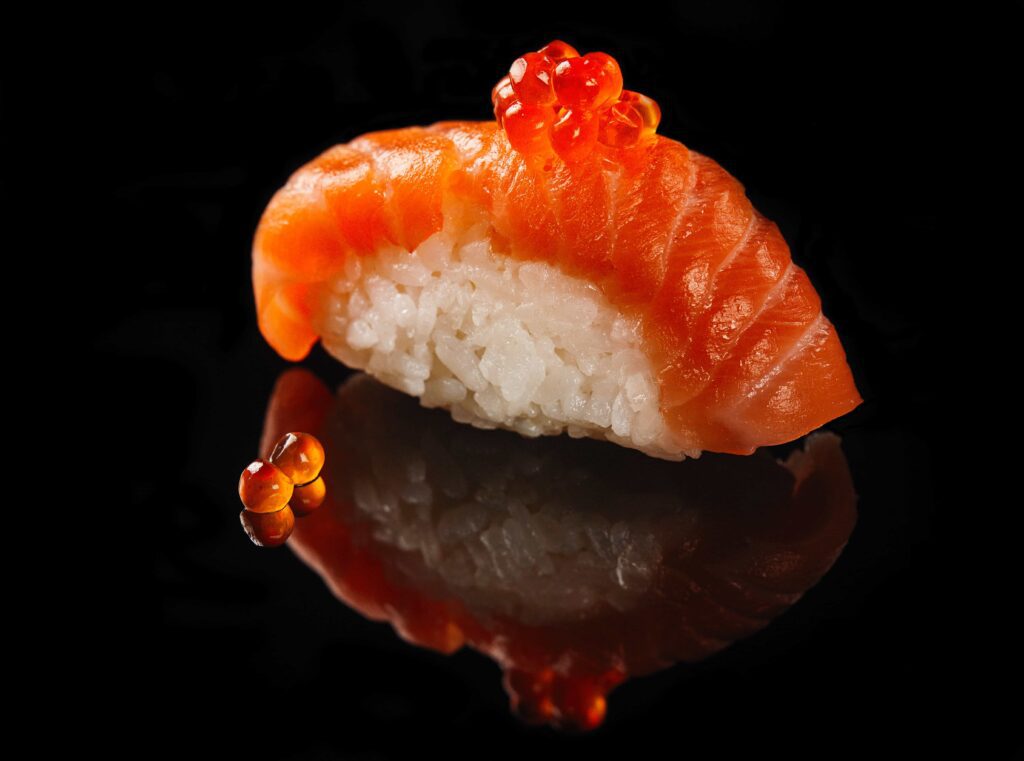
 

Nigiri with salmon and caviar


Try Nigiri at Kobe Japanese Steakhouse

Whether it’s your first time trying sushi or you’re already a fan, nigiri is a great way to experience pure, fresh flavor in every bite.

At Kobe Japanese Steakhouse, our skilled sushi chefs prepare each piece with care using only the best ingredients.

Join us and explore our full sushi menu from the comfort of our dining room—or pull up a seat at our world-class sushi bar for an up-close look at the action.

Prefer to dine at home? We’ve got you covered with carryout, delivery, and catering options, so you can enjoy your favorites anytime, anywhere.
What is Maki Sushi?

Sushi comes in all shapes and sizes and every single one is more delicious than the last. But sushi had to start somewhere, and that beginning was with maki sushi.

But what is maki sushi? Beyond being a fundamental component of Japanese cuisine, it has become the most recognizable form of sushi worldwide.

In this blog, we will go over:

  • What is maki sushi?
  • Common ingredients in maki
  • Types of maki sushi rolls

So hold on, because it’s time for a deeper dive into maki sushi.


What is Maki Sushi?

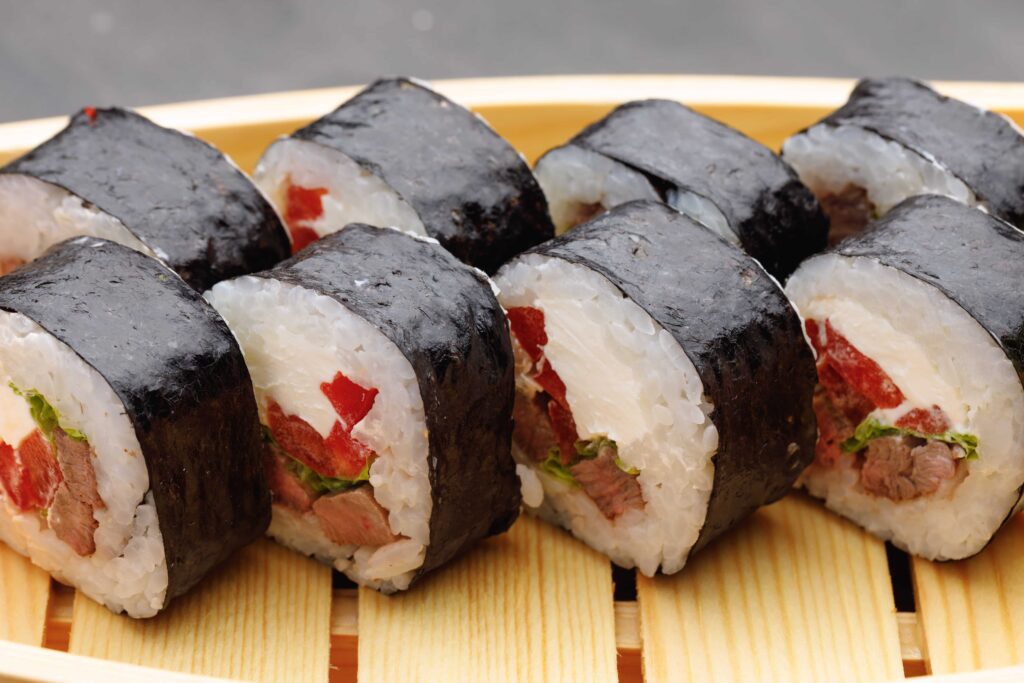
maki sushi roll

Maki sushi is the most popular and widely recognized type of sushi worldwide. When people think of sushi, maki often comes to mind first. 

It consists of vinegared rice and various fillings rolled in a sheet of nori (seaweed), then sliced into bite-sized pieces. The versatility of maki allows for a wide array of ingredients, including seafood, vegetables, and even tropical fruits, catering to diverse palates.


Meaning

The term ‘maki’ highlights the rolling technique essential to its preparation. In Japanese, ‘makizushi’ combines ‘maki’ (roll) and ‘zushi’ (sushi), literally meaning ‘rolled sushi.

This term highlights the distinctive method of assembling the dish, setting it apart within the broader sushi category.​


How Maki Differs from Other Sushi

Sushi encompasses various styles, each with unique preparation methods.

Nigiri

Nigiri sushi with salmon over rice

Nigiri is another popular version that likely comes to mind when you think of sushi. This type features a slice of fish or seafood atop an oblong mound of vinegared rice, often secured with a thin strip of nori.​


Sashimi

Assortment of sashimi sushi

Sashimi is the most simplified version of sushi. Unlike nigiri or maki, it consists solely of thinly sliced raw fish or seafood, served without rice.​

Maki

Maki stands out for its rolled form, where rice and fillings are wrapped in nori and then sliced into bite-sized pieces, making it easy to pick up and eat with chopsticks.

While nigiri and sashimi focus on the purity of the fish, maki offers a balanced combination of rice, fillings, and seaweed, providing a diverse taste experience. ​


Common Ingredients

Maki sushi appeals to a wide audience due to its adaptability and customization, accommodating a vast range of ingredients.


The Essentials

Rice

This short-grain rice is seasoned with rice vinegar, sugar, and salt, giving it the slightly sticky texture and tangy flavor crucial for maki sushi.

Nori

Nori is thin sheets of dried seaweed that serve as the outer wrapping, imparting a subtle oceanic taste and holding the roll together.​

Vegetables

Common additions include cucumber, avocado, and pickled radish (takuan), offering crispness and freshness that complement other fillings. ​


Popular Options

Fish (Raw or Cooked)

Tuna (maguro) and salmon (sake) are traditional choices, prized for their rich flavors and smooth textures.​

Cooked or Cured Varieties

Unagi (grilled eel) and imitation crab (kanikama) provide alternative flavors for those preferring cooked seafood.​


Traditional vs. Modern Ingredients

Traditional maki often features simple combinations like cucumber (kappamaki) or pickled plum with shiso leaf (umeshiso maki). 

Contemporary variations have introduced ingredients such as cream cheese, spicy mayonnaise, and tempura-fried components. These changes reflect regional tastes and showcase creative culinary innovations from around the world.


Types of Maki Sushi Rolls

As with all sushi, there are many types of maki rolls, each with distinct characteristics, including ingredients, preparation, and rolling technique.


Hosomaki

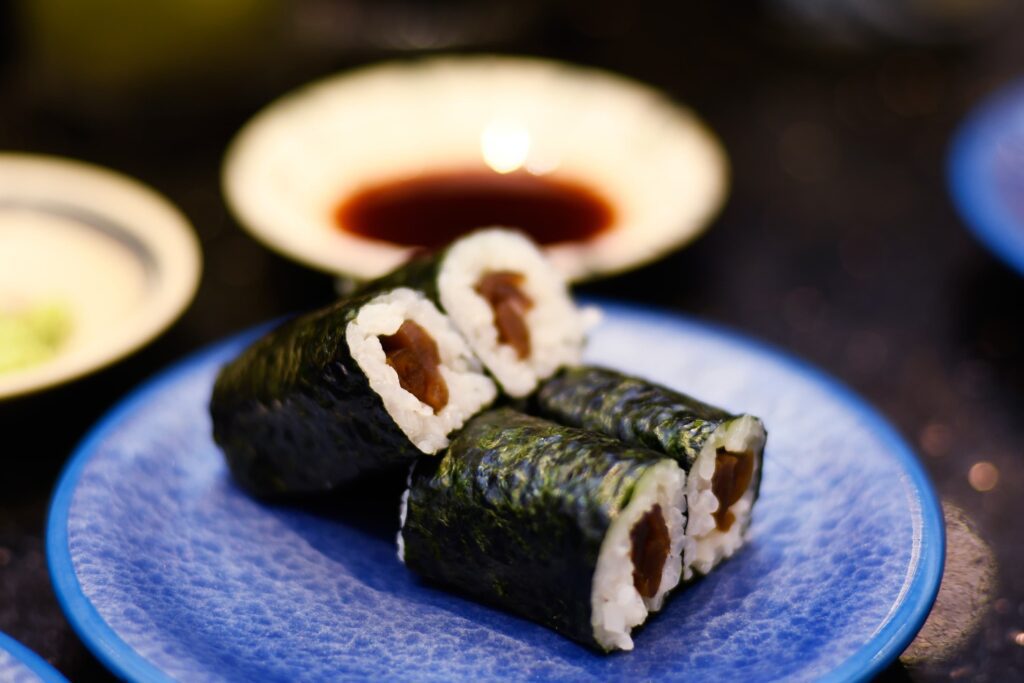
Thin, hosomaki sushi roll

Hosomaki, or “thin rolls,” are slender cylinders typically containing a single filling, such as tuna, cucumber, or pickled radish. The minimalistic approach highlights the flavor of the primary ingredient. ​


Futomaki

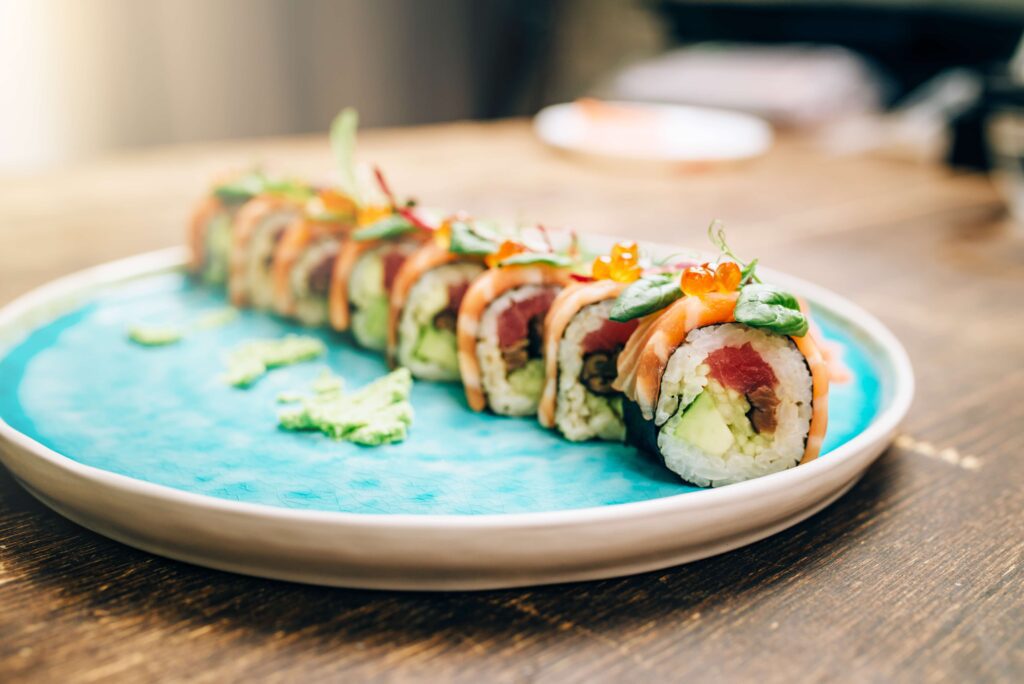
Futomaki sushi rolls

Futomaki, meaning “thick rolls,” are larger and encompass multiple fillings, often combining vegetables and cooked seafood. These colorful rolls are popular during festivals and celebrations, showcasing a variety of textures and flavors in each piece.


Uramaki

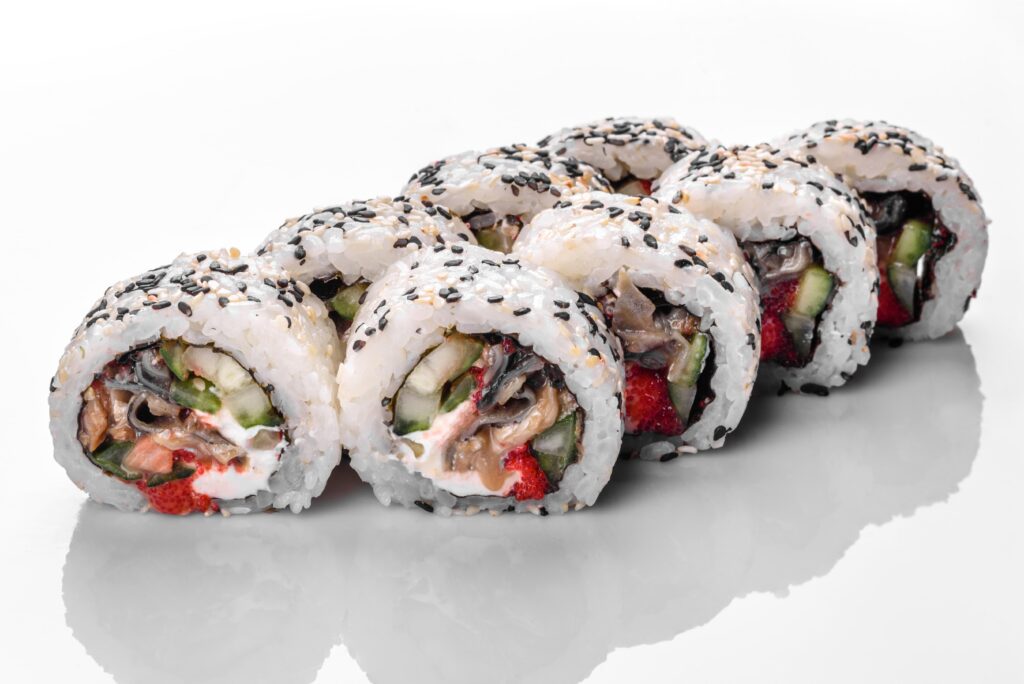
Uramaki sushi rolls

Uramaki, known as “inside-out rolls,” invert the traditional structure by placing the rice on the exterior and the nori inside. This style often features multiple fillings and is commonly adorned with sesame seeds or fish roe on the outer layer, enhancing both visual appeal and taste.


Temaki

Cone-shaped sushi roll

Temaki, or “hand rolls,” are cone-shaped portions of nori filled with rice and various ingredients. Designed to be eaten by hand, temaki offers a casual and interactive dining experience, with fillings often extending from the open end of the cone.

By understanding the nuances of maki sushi, from its foundational elements to its diverse forms, one can fully appreciate the artistry and cultural significance embedded in this beloved Japanese dish.


Try All Types of Maki Sushi at Kobé Japanese Steakhouse

Now that you know all about the most popular form of sushi, it’s time to order! Check out all of the sushi offerings at Kobé Japanese Steakhouse! From traditional sashimi to our specialty volcano roll, Kobé can serve you no matter what you’re craving.

Enjoy sushi while taking in our world-renowned hibachi dining experience. Book your reservation today!

Sign up for Kobé Rewards to receive exclusive rewards, including a Birthday Reward!
JOIN KOBE rewards

Kobe Japanese Steakhouse © 2026