Healthy Japanese Food: Enjoy Japanese Cuisine That’s Good For You

Everyone wants to eat healthier. However, many characterize healthy foods as tasteless and boring. Healthy Japanese food breaks that stereotype..

When you think of Japanese foods, the majority of the delicious meals you think about are already incredibly healthy from their root ingredients to how they are prepared for consumption.

In this blog, we will look at:

  • Foundation of Healthy Japanese Foods
  • Popular Dishes
  • Traditional Japanese Diet
  • Role of Fermented Foods

Let’s dive in!


The Foundation of Healthy Japanese Cuisine

Japanese cuisine is celebrated for fresh flavors, elegant presentation, and remarkable health benefits. At its core, the foundation of Japanese food is built on mindful eating, seasonal awareness, and nutritional balance. 

Let’s explore the principles that make traditional Japanese cuisine one of the healthiest diets in the world.


Seasonal Ingredients

A central pillar of Japanese cooking is the concept of “shun”—using ingredients at the peak of their season. This philosophy ensures that meals are not only flavorful but also packed with optimal nutrients. 

From tender bamboo shoots in spring to sweet kabocha squash in autumn, seasonal produce is celebrated and integrated into daily cooking. This practice encourages variety throughout the year and supports a diet rich in vitamins, minerals, and antioxidants.

Eating with the seasons also fosters a deeper connection to nature, reduces environmental impact, and supports local farmers. By prioritizing what’s fresh and in-season, Japanese cuisine remains both sustainable and nutritionally dense.
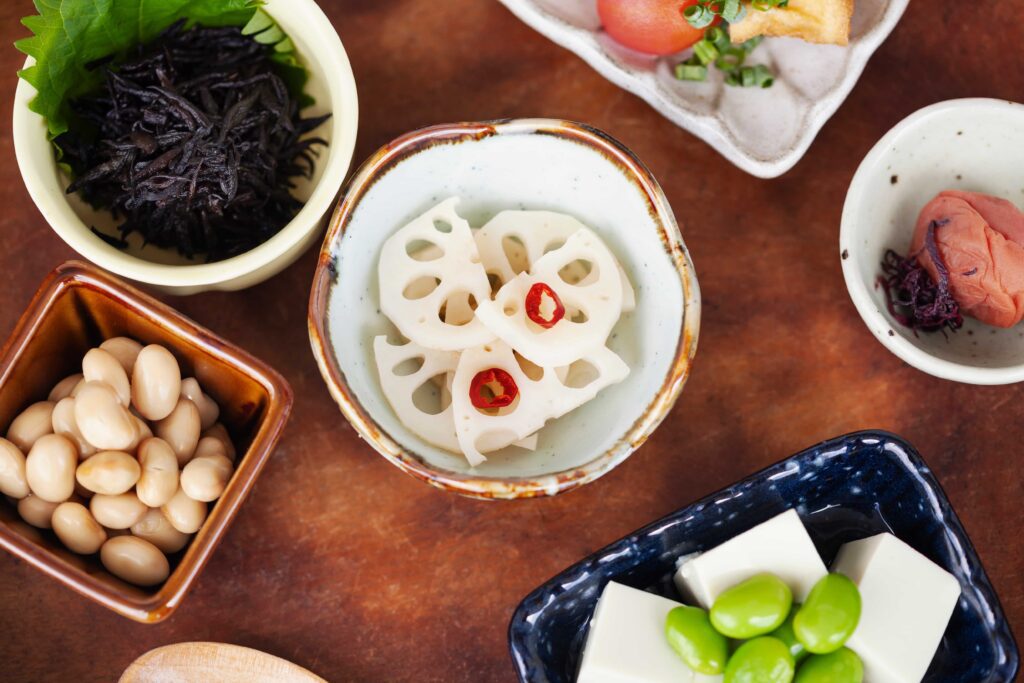
 

Table of healthy Japanese Foods


Balance and Simplicity

Japanese meals are thoughtfully structured around balance, both in flavor and in nutrition. 

A typical meal often includes:

  • Rice
  • Soup (like miso)
  • Protein (such as fish or tofu)
  • Small side dishes featuring vegetables. 

This approach—known as ichiju-sansai (one soup, three dishes)—ensures a variety of textures, nutrients, and food groups in each meal.

Simplicity is another hallmark. Rather than relying on heavy sauces or excessive seasoning, Japanese cooking emphasizes natural flavors. 

Ingredients are lightly cooked or served raw to preserve taste and nutritional value. This minimalistic style allows each component to shine on its own, reducing the need for processed additives or artificial flavor enhancers.


Low in Saturated Fats

Traditional Japanese cuisine is naturally low in saturated fats, thanks to its emphasis on plant-based foods, seafood, and lean proteins. Instead of butter or cream, Japanese cooking uses ingredients like dashi (a seaweed and fish broth), soy sauce, miso, and vinegar for depth of flavor.


High in Omega-3s

The high consumption of omega-3 fatty acids in Japanese cuisine comes primarily through fish. Fatty fish like salmon, mackerel, and sardines are staples of the diet, offering protective benefits for the heart, brain, and joints.

These omega-3-rich foods help reduce inflammation, lower triglyceride levels, and may even support mood and cognitive function. 


Popular Healthy Japanese Foods

Traditional Japanese cuisine offers a wide variety of dishes that are both flavorful and nutritious.  Here are some of the most popular healthy Japanese dishes:


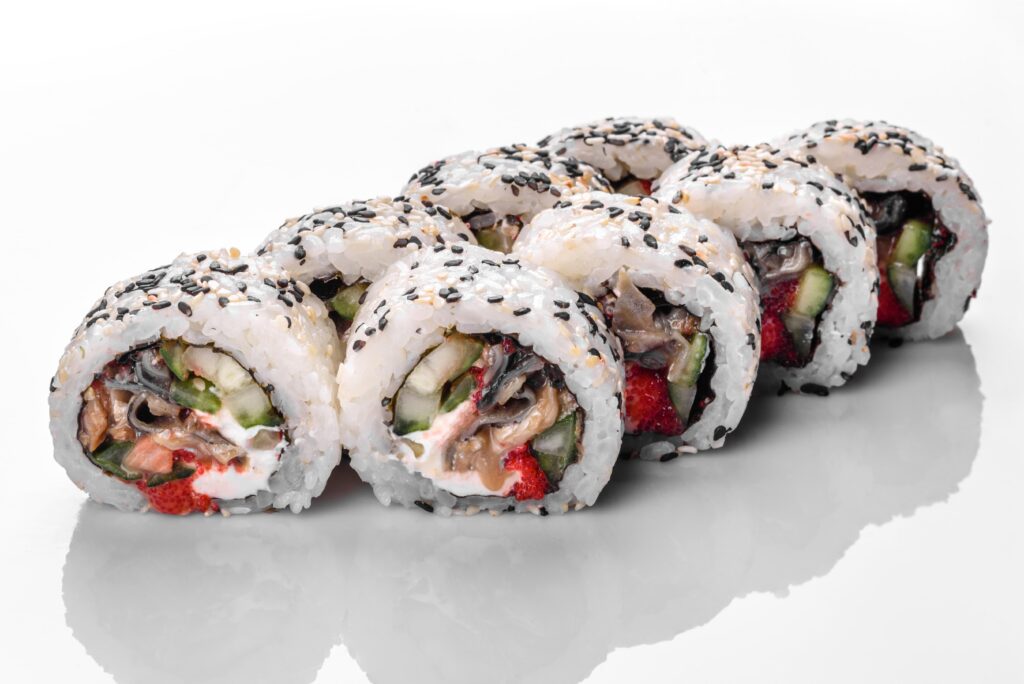
Various sushi rolls that are Japanese Food that is healthy


Sushi: Nigiri and Sashimi

Nigiri and sashimi are staples of Japanese dining, especially known for their clean flavors and health benefits.

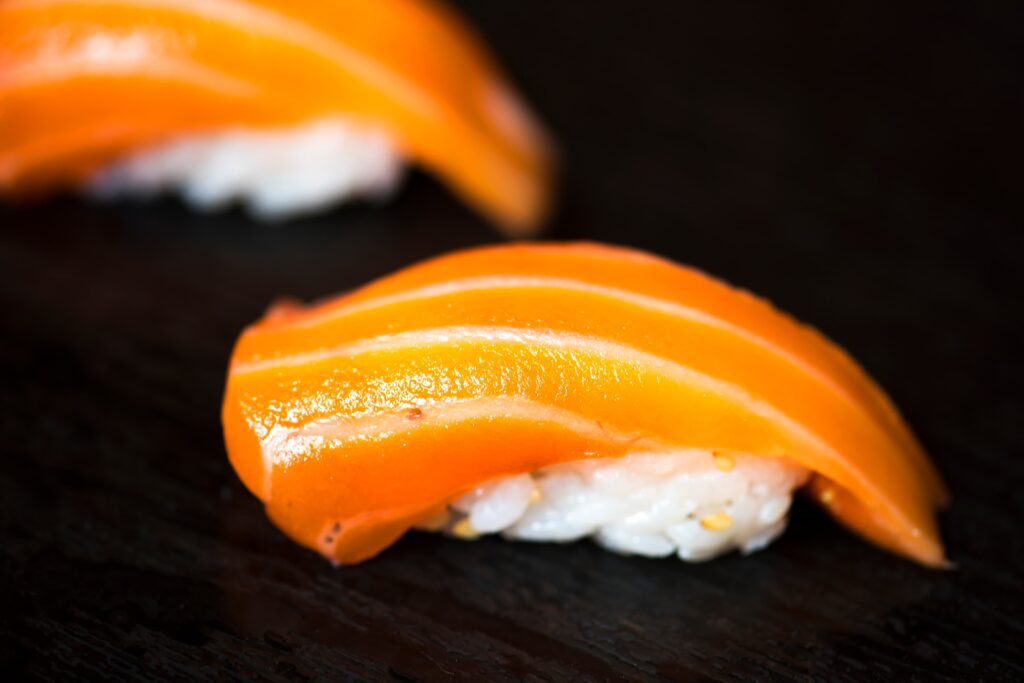
  • Nigiri consists of a small hand-formed mound of vinegared rice topped with a slice of raw fish, like tuna or salmon.
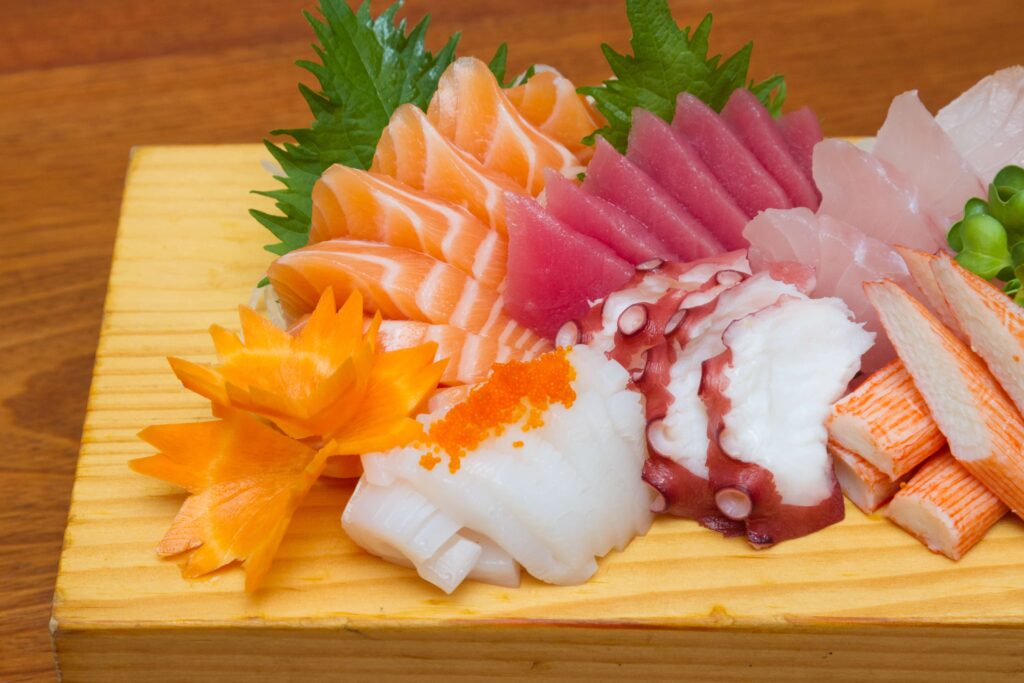
  • Sashimi is simply thinly sliced raw fish, served without rice.

Both options are high in protein and omega-3 fatty acids while remaining low in calories. Sashimi, in particular, is extremely lean and free of added sugars or carbs, making it a favorite for those watching their calorie or carb intake. 


Miso Soup

A comforting part of many Japanese meals, miso soup is made from fermented soybean paste (miso) mixed with dashi broth and often includes tofu, seaweed, and scallions.
Miso soup is:

  • Low in calories
  • A source of probiotics, which support gut health
  • Packed with umami flavor and minerals like zinc and manganese

Its warm, savory quality makes it a satisfying addition to any meal without adding heavy fats or starches.
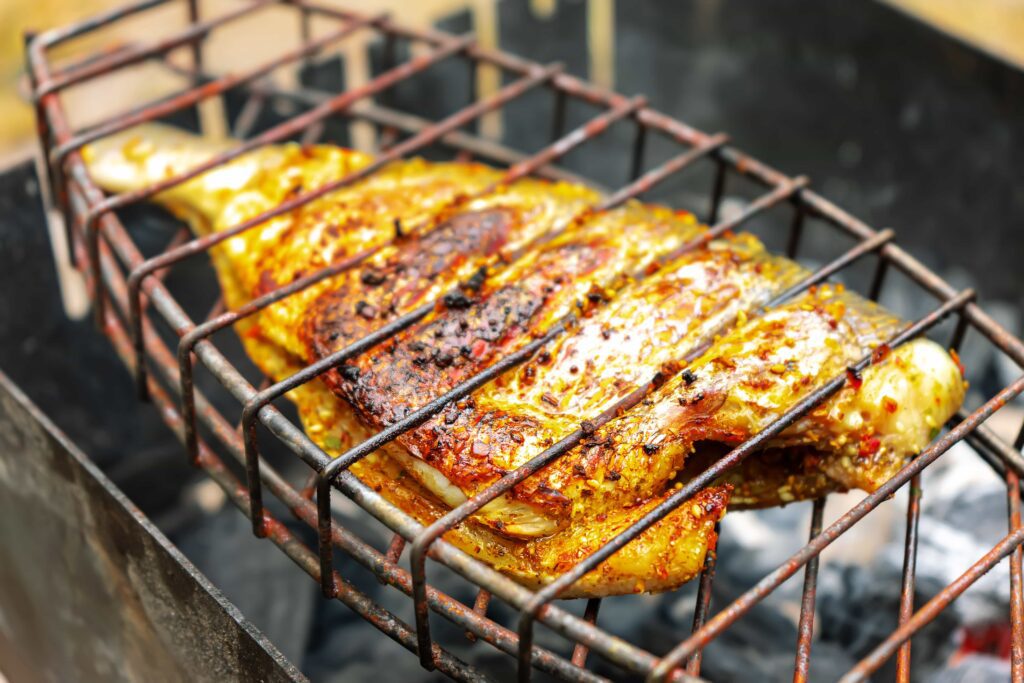
 

Health grilled fish Japanese Food


Grilled Fish

Fish is a cornerstone of Japanese cuisine, and grilling is a preferred method of preparation that preserves the natural taste of the fish without adding unnecessary fats.
Popular choices include:

  • Salmon (sake)
  • Mackerel (saba)
  • Sea bream (tai)

Tempura (In Moderation)

While tempura is a fried food, it’s typically lighter than Western deep-fried dishes. Vegetables and seafood are dipped in a light batter and quickly flash-fried in clean oil, keeping them crisp without being greasy.
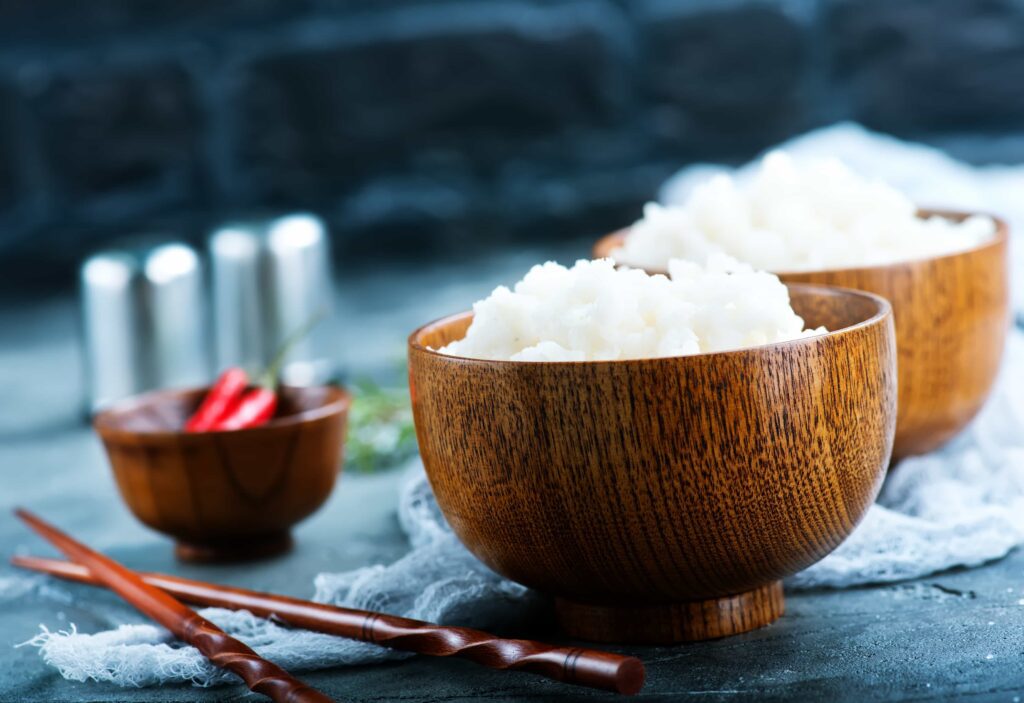
 

Healthy Rice Bowls


Donburi (Rice Bowls)

Donburi refers to a bowl of steamed rice topped with a protein and vegetables. It’s a one-dish meal that can be tailored to meet nutritional goals. Common varieties include:

  • Oyakodon (chicken and egg)
  • Gyudon (thinly sliced beef)
  • Tekkadon (tuna sashimi)

What makes donburi healthy is the emphasis on whole foods and portion control. 


Edamame

These young soybeans, served steamed and lightly salted, are a common appetizer and one of the simplest, healthiest snacks in Japanese cuisine. Some of the benefits of edamame include:

  • High in plant-based protein
  • A good source of fiber and iron
  • Naturally low in fat and cholesterol-free

Their mild flavor and satisfying texture make them a great option for anyone looking to add more legumes and plant protein to their diet.


Traditional Japanese Diet

The traditional Japanese diet, also known as washoku, is rooted in simple, natural, and minimally processed ingredients. 

Meals are typically built around a foundation of rice, seasonal vegetables, seafood, and small portions of meat or tofu. Unlike many Western diets, the traditional Japanese approach avoids heavy sauces, processed foods, and excessive sugar or fat.


Health Benefits of Japanese Cuisine

With  these amazing healthy foods, it is no surprise that Japanese cuisine is consistently ranked among the healthiest diets in the world. 

Some of the key health benefits include:

  • Longevity: Japan has one of the highest life expectancies globally, thanks in part to its nutrient-rich diet.
  • Heart Health: High consumption of fish and vegetables helps reduce the risk of cardiovascular disease.
  • Low Obesity Rates: The emphasis on portion control, plant-based foods, and low saturated fats contributes to healthier body weights.
  • Gut Health: Regular intake of fermented foods improves digestion and immune function.
  • Anti-inflammatory Properties: Many staples, such as green tea, seaweed, and oily fish, offer anti-inflammatory compounds that support overall well-being.

The Role of Fermented Foods

Another key factor in healthy Japanese foods is fermentation. Not only does it enhance flavor and preserve food, but it also promotes gut health through the introduction of beneficial bacteria (probiotics). Here are three standout fermented foods in Japanese cuisine:
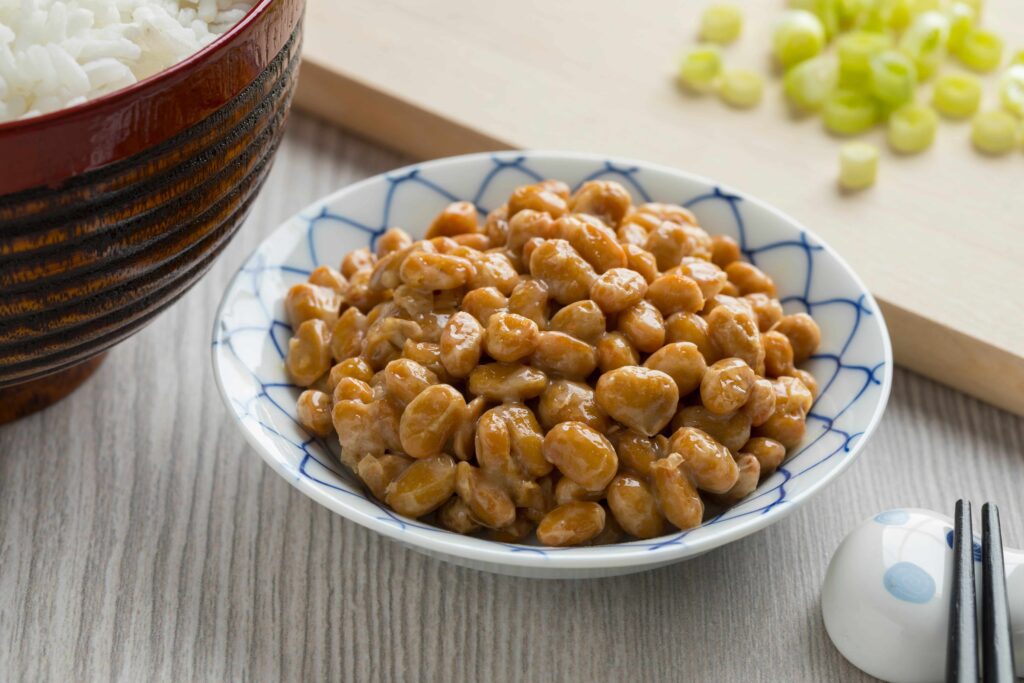
 

Healthy Japanese Food Natto


Natto

Natto is a fermented soybean dish known for its strong aroma, sticky texture, and bold flavor. Though it’s an acquired taste for some, it’s one of the healthiest foods in the Japanese diet.

  • Rich in probiotics, which support digestive and immune health
  • High in vitamin K2, essential for bone health and cardiovascular function
  • Contains nattokinase, an enzyme linked to improved blood flow and reduced blood clot risk

Natto is typically eaten with rice and a touch of mustard or soy sauce.


Kimchi

Though Korean in origin, kimchi has become popular in Japanese diets due to its taste and health benefits. It’s a fermented vegetable dish, often made from napa cabbage and radishes with garlic, ginger, and chili.

  • Packed with probiotics, fiber, and vitamins A and C
  • Supports digestion and immune function
  • Low in calories and high in antioxidants

Kimchi is often served as a side dish or incorporated into soups and rice bowls.
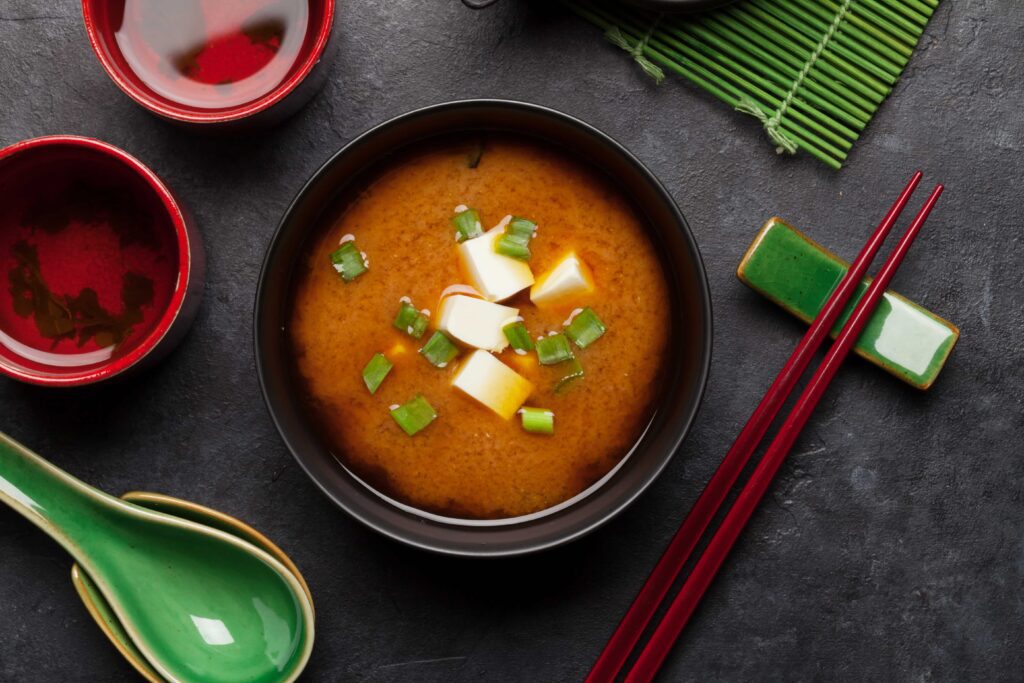
 

Miso soup


Miso

Miso is a fermented paste made from soybeans, rice, or barley and is the base for one of Japan’s most iconic dishes—miso soup.

  • Rich in probiotics that support gut microbiota
  • A good source of B vitamins, zinc, and manganese
  • Contains isoflavones, which may have protective effects against certain cancers and heart disease

Because miso is high in sodium, it’s best enjoyed in moderation as part of a balanced diet.


How to Incorporate Healthy Japanese Food into Your Diet

Bringing healthy Japanese foods into your daily routine doesn’t require a complete overhaul of your eating habits. All you need is to make a few adjustments to your existing diet. Here are a few easy ways to start:

  • Start with sides: Add miso soup or a small bowl of edamame to your meals for a Japanese-inspired, nutrient-rich addition.
  • Go for fish: Replace red meat a few times a week with grilled salmon or mackerel for a boost in omega-3s.
  • Try rice bowls: Build donburi-style rice bowls with steamed rice, grilled tofu or fish, and a mix of sautéed or pickled vegetables.
  • Embrace fermentation: Add miso, kimchi, or even natto to your meals for their gut-healthy probiotics.
  • Practice balance: Use the ichiju-sansai model to plan meals with variety and moderation—focusing on whole, seasonal foods.

By incorporating these elements gradually, you’ll not only improve your health but also experience the simple beauty and satisfaction of Japanese cuisine.


Try All Types of Health Foods at Kobe!

Now that you know all about the amazing healthy Japanese foods that are available, why not try them for yourself at Kobe Japanese Steakhouse. Split an order of Edamame with your friends or experience an authentic ichiju-sansai meal at one of our Teppenyaki dining room tables.

Book a reservation, order for carry out, or even book catering from Kobe and immerse yourself in the amazing tastes of healthy Japanese food.
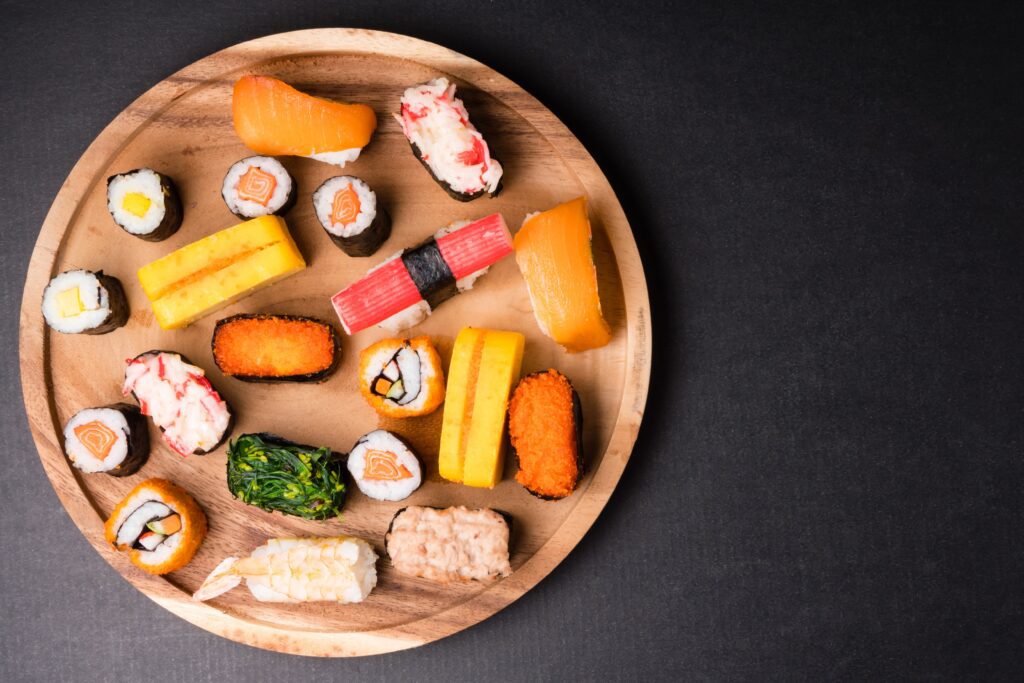
The Origin of Sushi: Where Specific Types of Sushi Are From

Today, sushi is seen as an integral part of many cultures’ diets outside of Japan. But where did it start? What is the origin of sushi?

From its humble beginnings outside Japan to its evolution into distinct regional styles, we will explore the origins of sushi and how it has transformed over time.

Let’s roll!

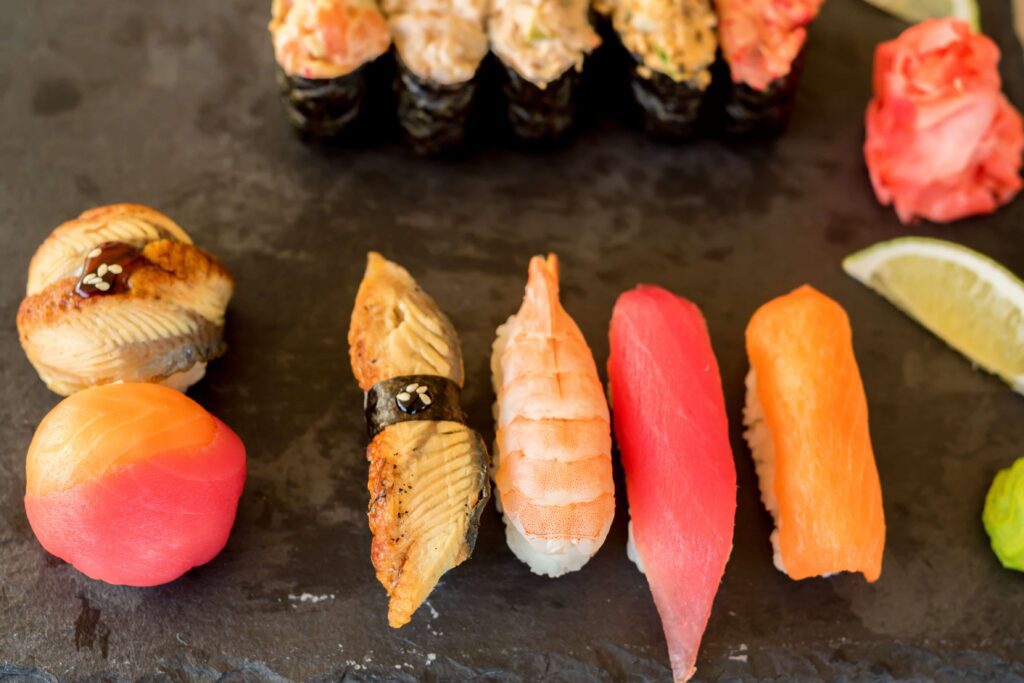
A plater of sushi showing the different types of sushi after the origin of sushi

Origin of Sushi

The technique of preserving fish with rice, known as narezushi, originated in Southeast Asia before making its way to Japan around the 8th century. 

Over the next few centuries, the Japanese adapted the dish. The main difference began by reducing fermentation time, which eventually led to the development of Hayazushi, where fish and rice were consumed together rather than discarded. 

In the 19th century, Edo (modern-day Tokyo) saw the rise of Edomae-zushi, which replaced fermentation with fresh seafood, served atop vinegared rice in small portions. This style laid the foundation for modern sushi.


Early Forms of Sushi

The earliest form of sushi is called Narezushi. For this, fish are salted and fermented with rice for months to a year. The rice was typically discarded and only the preserved fish was eaten.

After some experimentation, Han-narezushi began to grow as a popular version of sushi. This differed from Narezushi because the fermentation time was shortened. This made the fish and rice edible.

In the 17th century, fermentation was stopped altogether and Hayazushi took over. Rice was seasoned with vinegar to mimic the tangy flavor of fermentation, allowing for immediate consumption.

Finally, Edomae-zushi, as referenced earlier, was created in the 19th century in Edo. Edomae-zushi used fresh, locally sourced seafood with smaller rice portions seasoned with vinegar, resembling what we recognize as nigiri sushi today.


Modern-Day Sushi

Today, sushi has evolved even further into styles that cater to different tastes and diets around the world. Many options like Nigiri and Edomae will be gone over later in this blog, but there are many westernized versions of sushi available.

There are variations such as the:

  • California roll
  • Spicy tuna roll
  • Philadelphia roll
  • Sushi burritos (yes, they’re real)

These often incorporate non-traditional ingredients like avocado, cream cheese, and spicy mayo. As sushi continues to evolve, adapting to local ingredients and culinary trends, it is important to maintain its structure and deep cultural roots.


Sushi by Region

Map showing Japan

Now that we have gone over the brief history of sushi, it is time to go deeper. Just like the United States, depending on where you are from in a country, it can have local specialties or favorites. Sushi is no stranger to this.

Here are the different types of sushi origins by each region of Japan:


Edo Region (Tokyo)

Skyline of Tokyo for origins of sushi

As discussed earlier, the Edo region, now Tokyo, is the birthplace of Edomae-zushi. This region emphasizes fresh seafood and simple preparation.

Nigiri

A small hand-pressed mound of vinegared rice topped with fresh seafood like tuna, salmon, or shrimp.

Edomae 

Sushi made with fish sourced from Edo Bay, often treated with techniques like marination or light curing to enhance flavors.


Kansai Region (Osaka)

Skyline of Osaka for origins of sushi

Osaka is known for its pressed sushi, which differs from the hand-formed styles of Edo.

Oshizushi

A rectangular block of sushi made by pressing layers of rice and fish in a wooden mold.

Hakozushi

A variation of oshizushi, where layers of fish, rice, and other ingredients are arranged in a box and cut into neat pieces.


Kyoto

Skyline of Kyoto

Due to Kyoto’s inland location, sushi styles here focus on preserved fish.

Saba-zushi

A Kyoto specialty featuring vinegared mackerel (saba) atop rice and wrapped in kombu (kelp) or bamboo leaves.

Kyozushi

A term encompassing various Kyoto sushi styles, often incorporating cured fish and local ingredients.


Kyushu Region

kyushu region japan

Kyushu is known for its bold flavors and use of local seafood.

Mentaiko

Spicy marinated pollock roe, often served atop rice or inside sushi rolls.

Iwashi

Sardine sushi, a regional specialty known for its rich flavor and umami.


Hokkaido

Hokkaido skyline for types of sushi

Hokkaido, Japan’s northernmost island, is famous for its fresh seafood.

Kaisendon

A rice bowl topped with an assortment of raw seafood like salmon, crab, and scallops, sometimes considered a sushi variant.

Uni

Sea urchin, prized for its creamy texture and briny sweetness, commonly enjoyed in sushi or rice bowls.


Chubu Region

Chubu region of Japan

This central region of Japan features unique sushi ingredients from its coastal and mountainous areas.

Masu-zushi

Trout sushi wrapped in bamboo leaves, a specialty of Toyama Prefecture.

Shiroebi

Tiny white shrimp, often served raw over sushi rice due to their delicate sweetness.


Nagoya Region

Nagoya has distinctive sushi-inspired dishes blending local flavors.

Hitsumabushi

While not traditional sushi, this grilled eel dish is served over rice and eaten in multiple ways, including with tea or broth.

Tenmusus 

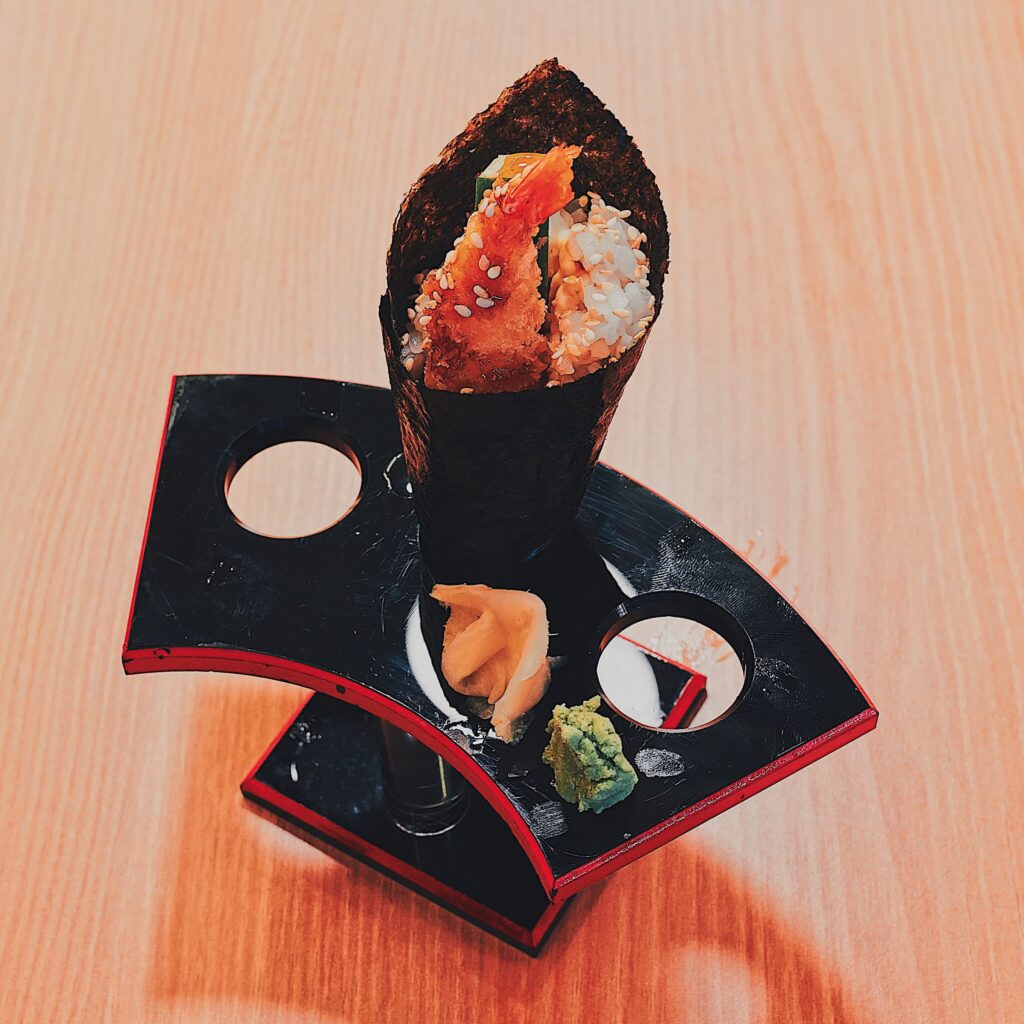
A fusion of sushi and tempura, featuring shrimp tempura wrapped in rice and nori, forming a handheld rice ball.


Try Different Types of Sushi at Kobé Japanese Steakhouse

Now that you’ve explored the origin of sushi and its regional varieties, why not take them for a “taste” drive? At Kobé Japanese Steakhouse, you can try them for yourself! Come in, sit at one of our sushi bars and watch as our world-renowned sushi chefs create your rolls. 

Bringing friends or family? Book a reservation today so everyone can try an amazing sushi roll!

What is Nigiri? A Dive into the Specialty Sushi Style

While most people picture sushi as a rolled-up treat, that’s only one style. Sushi comes in many forms–and nigiri is one of the most beloved.

In this guide, you’ll learn what nigiri is, how it’s made, and what types to look for on your next sushi night out.


What Is Nigiri?

Nigiri is a simple yet delicious type of sushi. It’s made with a small, hand-shaped mound of vinegared rice, topped with a slice of fish or another tasty ingredient. Unlike sushi rolls, nigiri isn’t wrapped in seaweed or filled with extra toppings. Everything sits neatly on top—clean, elegant, and packed with flavor.

Meaning

The word nigiri comes from the Japanese word nigiru, which means “to grasp” or “to squeeze.” This refers to how the sushi is made—chefs gently press the rice by hand to shape it. No rolling, no cutting—just careful, practiced movements to create something beautifully simple.

How It Differs from Other Sushi

Nigiri is different from other popular types of sushi like maki and sashimi:

Maki is rolled sushi, wrapped in seaweed and often filled with vegetables, sauces, and sometimes fried ingredients.

Sashimi is just slices of raw fish served without rice.

Nigiri sits right in the middle: hand-formed rice on the bottom, a single topping on top, and no extras. It’s minimal but flavorful, letting the freshness of the ingredients shine.


fresh made nigiri


The Art of Making Nigiri

Nigiri might look simple, but making it takes real skill. Sushi chefs train for years to perfect every detail—from slicing fish to shaping the rice just right. The rice needs to hold together gently–sticky enough to maintain its shape but still light and airy, and the topping needs to be evenly cut to rest neatly on top.

Every piece is a small work of art, and it’s usually made fresh to order.

Selecting Ingredients

The secret to amazing nigiri? Top-quality ingredients.

Rice

Sushi rice is seasoned with vinegar, sugar, and salt. It needs to be warm, fluffy, and just sticky enough to hold its shape.

Fish and Toppings

Nigiri is often made with raw fish like tuna or salmon, but cooked items like shrimp, eel, and even sweet egg are common. The key is freshness—ingredients should be clean, flavorful, and, when raw, of sushi-grade quality.

Shaping the Rice

Each ball of rice is formed by hand into a small, oval shape—usually about two fingers wide. Chefs press just enough to hold it together, but not so much that it becomes dense or gummy. Finding that perfect balance takes time and practice, which is why well-made nigiri feels so light and delicate.

Pairings

Nigiri is usually served with a few simple sides:

Soy sauce: Just a light dip is all you need.

Wasabi: Traditional nigiri often includes a small dab between the fish and rice, added by the chef. If not, you can add a tiny dab yourself.

Pickled ginger: Eaten between bites to refresh your palate.

For drinks, try green tea, sake, or a light Japanese beer to keep the flavors balanced and refreshing.


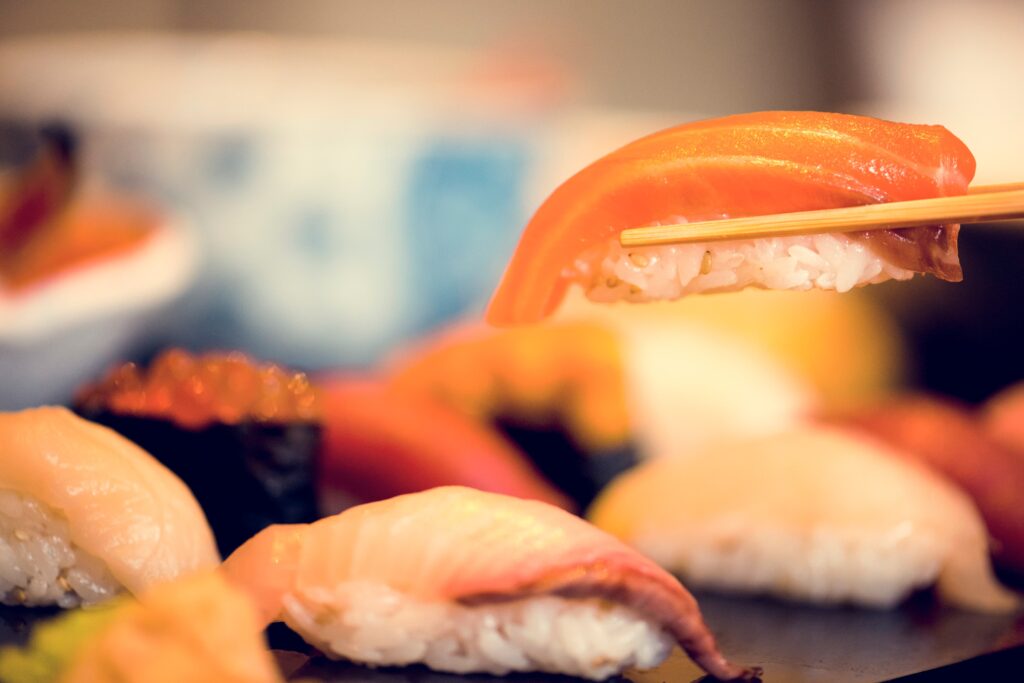
Nigiri being picked up by chopsticks


Popular Types of Nigiri

There are many toppings that can go on nigiri. Here are some of the most popular choices you’ll find at sushi restaurants:

Maguro (Tuna)

Tuna nigiri is a fan favorite. The fish is deep red, smooth, and has a mild flavor that pairs beautifully with rice.

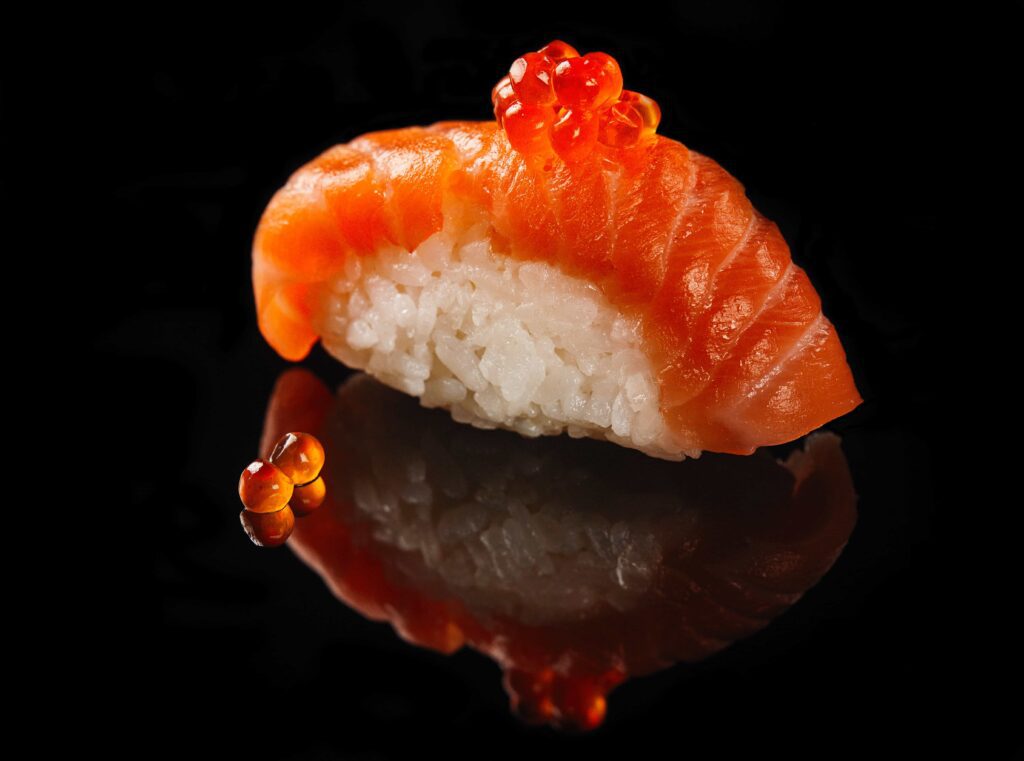
Sake (Salmon)

With its rich orange color and buttery texture, salmon nigiri is slightly sweet and melts in your mouth.

Unagi (Eel)

Unagi is grilled eel, brushed with a sweet, savory sauce. Since it’s cooked, it’s a great option if you’re not quite ready for raw fish.

Tamago (Sweet Egg)

Tamago is a sweet, layered Japanese omelet, often served with a strip of seaweed to hold it in place. It’s a tasty, kid-friendly choice too!


Dining Out For Nigiri

What to Expect

When you order nigiri at a restaurant like Kobe Japanese Steakhouse, each piece is made fresh. It often comes in pairs and may be lightly brushed with soy sauce or topped with wasabi. Don’t be surprised if your plate looks like a piece of art—presentation is an essential part of the experience.

You can order nigiri à la carte or choose a combo to try a variety of types.

Etiquette and Best Practices

Eating nigiri isn’t complicated, but here are a few tips to make your meal even better:

One bite (if you can): Nigiri is made to be small enough to eat all at once.

Dip lightly: If you use soy sauce, dip the fish side—too much soy can overpower the delicate flavors.

Hands or chopsticks: Either is fine, so go with what’s comfortable.

Ginger between bites: Pickled ginger helps cleanse your taste buds so you can enjoy each piece fully.


Nigiri with salmon and caviar


Try Nigiri at Kobe Japanese Steakhouse

Whether it’s your first time trying sushi or you’re already a fan, nigiri is a great way to experience pure, fresh flavor in every bite.

At Kobe Japanese Steakhouse, our skilled sushi chefs prepare each piece with care using only the best ingredients.

Join us and explore our full sushi menu from the comfort of our dining room—or pull up a seat at our world-class sushi bar for an up-close look at the action.

Prefer to dine at home? We’ve got you covered with carryout, delivery, and catering options, so you can enjoy your favorites anytime, anywhere.

What is Maki Sushi?

Sushi comes in all shapes and sizes and every single one is more delicious than the last. But sushi had to start somewhere, and that beginning was with maki sushi.

But what is maki sushi? Beyond being a fundamental component of Japanese cuisine, it has become the most recognizable form of sushi worldwide.

In this blog, we will go over:

  • What is maki sushi?
  • Common ingredients in maki
  • Types of maki sushi rolls

So hold on, because it’s time for a deeper dive into maki sushi.


What is Maki Sushi?

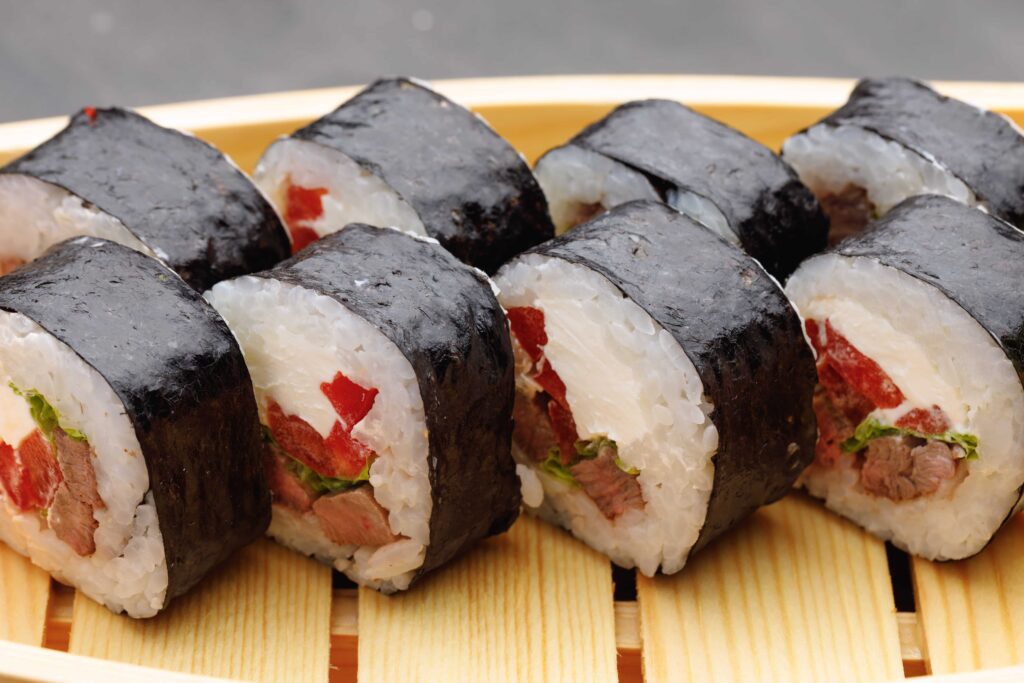
maki sushi roll

Maki sushi is the most popular and widely recognized type of sushi worldwide. When people think of sushi, maki often comes to mind first. 

It consists of vinegared rice and various fillings rolled in a sheet of nori (seaweed), then sliced into bite-sized pieces. The versatility of maki allows for a wide array of ingredients, including seafood, vegetables, and even tropical fruits, catering to diverse palates.


Meaning

The term ‘maki’ highlights the rolling technique essential to its preparation. In Japanese, ‘makizushi’ combines ‘maki’ (roll) and ‘zushi’ (sushi), literally meaning ‘rolled sushi.

This term highlights the distinctive method of assembling the dish, setting it apart within the broader sushi category.​


How Maki Differs from Other Sushi

Sushi encompasses various styles, each with unique preparation methods.

Nigiri

Nigiri sushi with salmon over rice

Nigiri is another popular version that likely comes to mind when you think of sushi. This type features a slice of fish or seafood atop an oblong mound of vinegared rice, often secured with a thin strip of nori.​


Sashimi

Assortment of sashimi sushi

Sashimi is the most simplified version of sushi. Unlike nigiri or maki, it consists solely of thinly sliced raw fish or seafood, served without rice.​

Maki

Maki stands out for its rolled form, where rice and fillings are wrapped in nori and then sliced into bite-sized pieces, making it easy to pick up and eat with chopsticks.

While nigiri and sashimi focus on the purity of the fish, maki offers a balanced combination of rice, fillings, and seaweed, providing a diverse taste experience. ​


Common Ingredients

Maki sushi appeals to a wide audience due to its adaptability and customization, accommodating a vast range of ingredients.


The Essentials

Rice

This short-grain rice is seasoned with rice vinegar, sugar, and salt, giving it the slightly sticky texture and tangy flavor crucial for maki sushi.

Nori

Nori is thin sheets of dried seaweed that serve as the outer wrapping, imparting a subtle oceanic taste and holding the roll together.​

Vegetables

Common additions include cucumber, avocado, and pickled radish (takuan), offering crispness and freshness that complement other fillings. ​


Popular Options

Fish (Raw or Cooked)

Tuna (maguro) and salmon (sake) are traditional choices, prized for their rich flavors and smooth textures.​

Cooked or Cured Varieties

Unagi (grilled eel) and imitation crab (kanikama) provide alternative flavors for those preferring cooked seafood.​


Traditional vs. Modern Ingredients

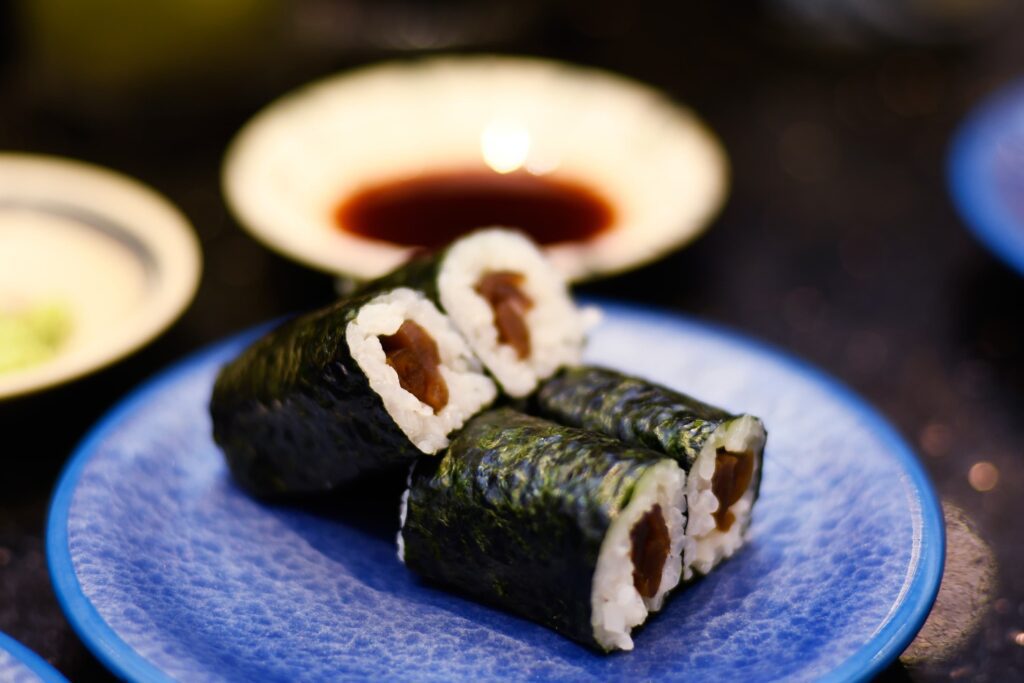
Traditional maki often features simple combinations like cucumber (kappamaki) or pickled plum with shiso leaf (umeshiso maki). 

Contemporary variations have introduced ingredients such as cream cheese, spicy mayonnaise, and tempura-fried components. These changes reflect regional tastes and showcase creative culinary innovations from around the world.


Types of Maki Sushi Rolls

As with all sushi, there are many types of maki rolls, each with distinct characteristics, including ingredients, preparation, and rolling technique.


Hosomaki

Thin, hosomaki sushi roll

Hosomaki, or “thin rolls,” are slender cylinders typically containing a single filling, such as tuna, cucumber, or pickled radish. The minimalistic approach highlights the flavor of the primary ingredient. ​


Futomaki

Futomaki sushi rolls

Futomaki, meaning “thick rolls,” are larger and encompass multiple fillings, often combining vegetables and cooked seafood. These colorful rolls are popular during festivals and celebrations, showcasing a variety of textures and flavors in each piece.


Uramaki

Uramaki sushi rolls

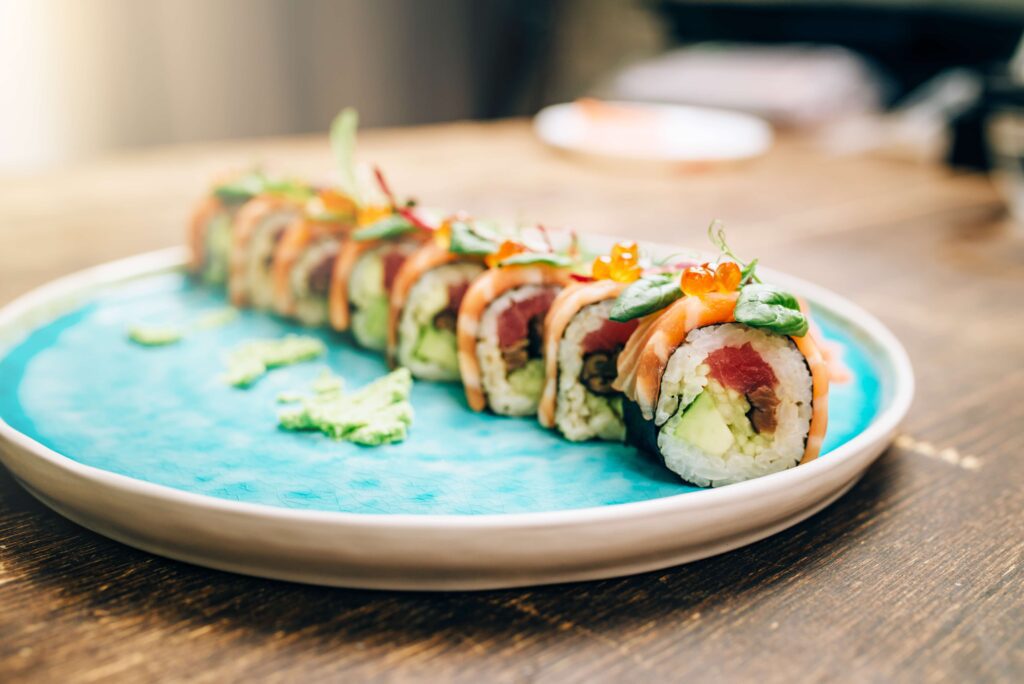
Uramaki, known as “inside-out rolls,” invert the traditional structure by placing the rice on the exterior and the nori inside. This style often features multiple fillings and is commonly adorned with sesame seeds or fish roe on the outer layer, enhancing both visual appeal and taste.


Temaki

Cone-shaped sushi roll

Temaki, or “hand rolls,” are cone-shaped portions of nori filled with rice and various ingredients. Designed to be eaten by hand, temaki offers a casual and interactive dining experience, with fillings often extending from the open end of the cone.

By understanding the nuances of maki sushi, from its foundational elements to its diverse forms, one can fully appreciate the artistry and cultural significance embedded in this beloved Japanese dish.


Try All Types of Maki Sushi at Kobé Japanese Steakhouse

Now that you know all about the most popular form of sushi, it’s time to order! Check out all of the sushi offerings at Kobé Japanese Steakhouse! From traditional sashimi to our specialty volcano roll, Kobé can serve you no matter what you’re craving.

Enjoy sushi while taking in our world-renowned hibachi dining experience. Book your reservation today!

Sign up for Kobé Rewards to receive exclusive rewards, including a Birthday Reward!
JOIN KOBE rewards

Kobe Japanese Steakhouse © 2026